Skip Hire in Stoke Newington
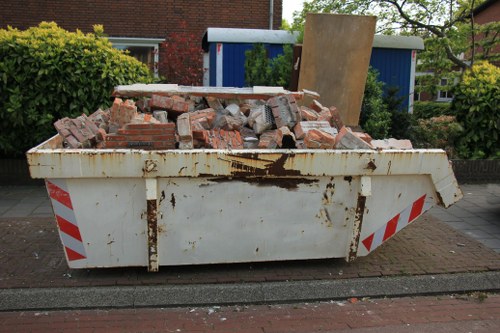
Skip hire in Stoke Newington gives households, landlords and trades a straightforward way to manage bulky waste, renovation debris and general site clearances in one contained collection. We provide a practical service centred on the main job: supplying the right skip for the waste you need to move, arranging delivery and collection, and helping you choose a size that suits the work rather than over-ordering or under-ordering. The result is a tidier project, clearer access and a waste plan that is easier to keep under control.
Our service is designed for customers who want a simple, organised approach to disposal. Whether you are clearing a property, stripping out a room, replacing fittings or dealing with outdoor waste, the key is matching the container and collection plan to the material you expect. For that reason, we also explain related options such as domestic skip hire and builders skip hire so you can choose a format that fits the work, access and waste type.
If you are ready to get started, request a quotation and describe the waste, access and timing as clearly as you can. If you are comparing choices, the size, permit and collection details below will help you decide what is likely to work best. When you are ready, ask for a quote and we will help you move the job forward.
Choosing the right skip for the job

The right skip hire arrangement depends on what is being removed, how quickly the waste will build up and how much space is available on site or outside the property. Smaller domestic clear-outs often suit compact containers, while renovation work, heavier waste and frequent loading may call for something larger or a more specialised option. We keep the focus on practical fit: enough room for the material, sensible access for delivery, and a collection schedule that keeps the area usable.
For customers managing household waste, garden cuttings or light refurbishment debris, skip sizes and prices is a useful starting point because it helps you compare capacity before making a decision. If your work is time-sensitive or you need waste removed quickly, same day skip hire may be relevant when availability and site conditions allow. The point is not simply to choose the largest container, but to pick a solution that keeps loading efficient and avoids unnecessary disruption.
We can also support more specific tasks where the waste stream is clearer. Some customers need a straightforward container for mixed renovation waste, while others want something more suited to a defined project such as a strip-out, garden clearance or room clearance. In each case, the best plan is the one that keeps the collection practical, the access workable and the waste correctly separated for onward handling.
Domestic clearances and household projects

Domestic skip hire is often chosen for jobs that create a steady flow of unwanted items rather than a single bulky load. That might include decluttering, replacing old furniture, clearing out a loft or dealing with waste from redecoration. The value of a skip in this setting is convenience: items can be loaded as they are removed, and the property stays more organised than it would with repeated trips to a disposal point.
For homes, we can also discuss related services such as house clearance, garage and loft clearance and mattress and sofa disposal. These pages reflect different ways of handling domestic waste when the contents are awkward, bulky or best removed through a more targeted service. In practice, the right choice depends on what is being thrown away, how much sorting is needed and whether the work is part of a broader move, refresh or clear-out.
Domestic customers often want a service that feels simple from the outset. A clear description of the items, the access arrangements and the likely timing helps make the process smoother. Good planning at the start can prevent delays later, especially where the property has restricted frontage, shared access or limited loading space.
Builders, trades and renovation waste
Building work creates a different kind of waste profile from household decluttering, so skip hire for trades needs a container and collection pattern that can cope with heavier, sharper and more varied material. Bricks, plasterboard, timber offcuts, packaging and general strip-out waste may all appear on the same project. A practical skip solution allows those materials to be gathered in one place instead of building up around the working area.
For this kind of work, construction waste disposal and construction waste clearance are useful related pages because they point to the broader handling of renovation and building debris. If the job is part of a larger structural project, demolition waste removal may be a better fit, while site clearance supports more complete clearance work where the area needs to be left ready for the next stage.
When trade waste is involved, the key decisions are usually access, volume and the type of material being produced. It helps to know whether the load is mostly inert rubble, mixed waste or lighter strip-out debris, because that affects how the work should be planned. Clear waste separation can also help keep a project efficient, especially where the site is busy or multiple contractors are working at once.
Specialist waste and more controlled disposal
Some projects need more than a standard mixed-waste container. Certain materials require extra care because of their size, condition or disposal route, and that is where more specialist pages become useful. If you have material that is awkward to load, difficult to sort or not suited to ordinary mixed waste handling, the service should be chosen with those limits in mind rather than on price alone.
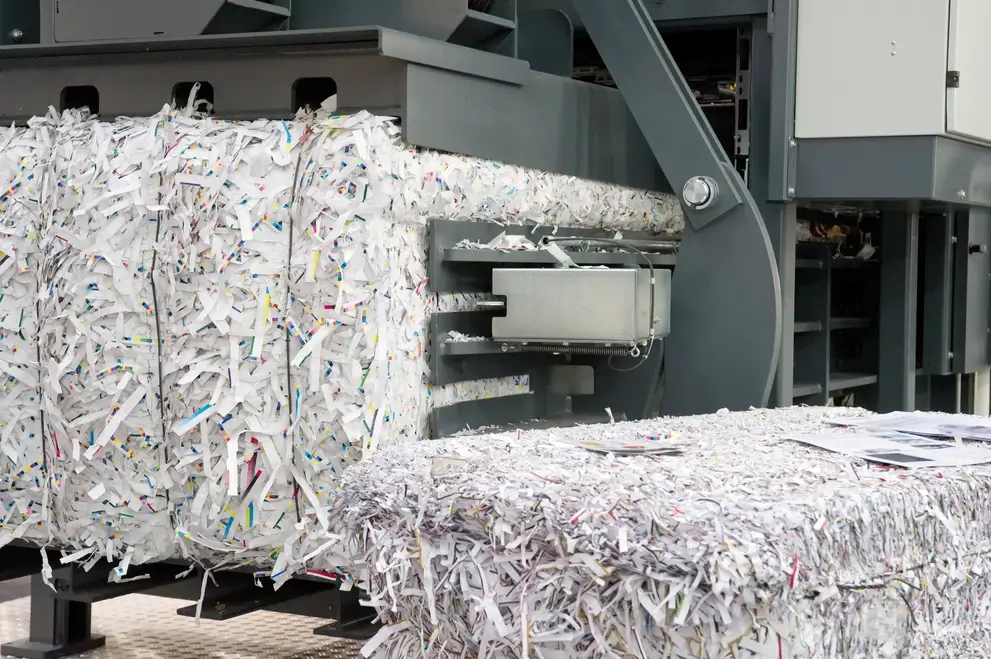
Where the waste type is more defined, related options such as hazardous waste disposal, fridge and appliance removal and confidential shredding may be relevant. Each of these reflects a different disposal need, from items that need careful handling to materials that should be treated separately from general household rubbish. We use those distinctions to help customers avoid sending the wrong thing into the wrong collection route.
Specialist disposal is often about control rather than volume. If the items involved are sensitive, heavy, contaminated or unsuitable for a standard load, the right planning question is not simply how much there is, but how it should be managed. That makes the early discussion important, because it allows the collection to be matched to the material instead of forcing the material to fit an unsuitable container.
Access, permits and loading choices

Access is one of the most important factors in skip hire because it affects where the container can be placed and how easily the waste can be loaded. Narrow roads, shared forecourts, timed access windows and limited off-road space all influence the most suitable arrangement. In practical terms, the best plan is the one that allows the skip to be delivered safely, positioned sensibly and used without blocking essential movement.
If a container needs to sit on public highway or in another regulated position, skip permits and skip hire permits are the relevant pages to review. For properties where access is restricted or where loading has to be tightly managed, wait and load skip hire can be a useful alternative because it changes the way the waste is collected. Some jobs also benefit from an enclosed or lockable option, which is why enclosed and lockable skip hire is available for more controlled loading.
The right access plan depends on the site rather than on a generic rule. A driveway, a commercial yard and a terraced street each create different practical issues, and those issues should be considered before the container is booked. If you are unsure, describe the setting clearly and we can help you narrow the options without adding unnecessary complexity.
Commercial and recurring waste needs
Businesses often need skip hire for ongoing waste rather than a one-off project. Shops, offices, workshops, landlords and contractors can all produce waste that is easier to manage with scheduled removals or a container sized around routine demand. The aim is to keep waste under control without disrupting day-to-day operations, so the service has to suit both the volume and the pace of work.
For business use, related pages such as commercial skip hire, office clearance and rubbish removal can help you compare approaches. If your project involves larger quantities of spoil or excavation material, muck away services and grab hire services may be more appropriate. We also provide grab lorry hire where bulk removal is better handled by a larger, more direct collection method.
Commercial customers often value predictable handling more than anything else. Clear waste streams, sensible access planning and the right collection method help keep a site organised and reduce the chance of waste becoming an obstacle to the work itself. If the job is part of a wider refurbishment or move, it is usually worth deciding early whether a skip or a different removal method gives the cleaner fit.
What to consider before you book
Before arranging a skip, it helps to think through the waste type, approximate volume and likely loading pace. Those three points affect the size you need, whether a permit might be required and how long the container should remain on site. It is also sensible to consider any bulky items that may need separate treatment, along with whether loading will be carried out by one person or several people at different times during the day.
The most useful information is usually simple and practical: what you are clearing, where the skip is likely to go, and whether access is straightforward or restricted. If you can share that clearly, it becomes easier to decide between standard skip hire, a more specific disposal route or an alternative such as man and van where a container is not the best fit. For customers comparing options, our pricing and quotes page can also help explain the sort of information needed for an accurate estimate.
One brief check list can keep the booking process efficient:
- identify the main waste type;
- estimate the rough volume;
- note any access restrictions;
- decide whether the load is mixed or more specific;
- allow for permit needs if the skip is not going on private land.
Recycling, sorting and responsible handling

Waste management is not only about removing material; it is also about handling it sensibly once it leaves the site. Where possible, sorting and recycling routes can help separate reusable or recoverable material from general residual waste. This is especially relevant on building jobs, clear-outs and garden projects, where different waste types may be generated at the same time and benefit from a more considered approach.
Our related pages on waste recycling services and recycling and sustainability explain that side of the service in more detail, while what can go in a skip is helpful when you need to check which materials are suitable for mixed loading. If you are dealing with mixed project waste, these pages can support better decisions about what should go in the container and what may need a separate arrangement.
Responsible disposal is often about avoiding confusion early. When the material is sorted properly, the collection process is simpler and the load is easier to manage. That is why we encourage customers to think about the main waste stream first and then match the booking to it, rather than treating all waste as the same. Clarity at the start usually leads to a better fit for the job.
About Stoke Newington
Stoke Newington is a district in the London Borough of Hackney, in north-east London, with a character shaped by a long history of village settlement, later suburban growth and present-day urban diversity. The area grew around the ancient parish church of St Mary’s, whose fabric reflects centuries of change, while the surrounding streets preserve a varied mix of Georgian terraces, Victorian housing and later infill. Church Street is one of its best-known routes, with independent shops, cafés and community uses contributing to a busy local centre. To the west and south, the district is closely linked to Stoke Newington Common and Clissold Park, both of which provide open space within a densely built part of the city. Clissold Park is particularly significant for its landscaped grounds, lakes and sports facilities, and it sits alongside the historic Clissold House. The area also has strong transport connections through nearby rail and Overground services, though its street pattern remains more intimate than many parts of inner London, with residential roads that still reflect the older fabric of the settlement. The mix of conservation areas, school buildings, community venues and places of worship gives Stoke Newington a distinct local identity, while its position near other parts of Hackney and neighbouring boroughs means it remains connected to wider London life without losing a recognisable neighbourhood character.
Book the right skip hire arrangement
Skip hire in Stoke Newington works best when the service is matched to the waste, the access and the scale of the task. Whether you are clearing a flat, managing a trade project, disposing of bulky household items or dealing with a more controlled waste stream, the aim is to keep disposal practical and well organised. We use the available service pages to help you compare the options and choose the route that fits the job rather than adding unnecessary steps.
If you need a simple starting point, review the relevant service page, consider the access notes and decide whether a standard skip, a more specific removal service or an alternative collection method makes the most sense. For broader planning, about us explains the service background, while contact us is the most direct next step when you are ready to request a quotation. Ask for a quote today and we will help you take the next step with confidence.
When you send an enquiry, keep it focused on the waste type, the location for delivery and any timing considerations. That gives us what we need to guide you towards the most appropriate arrangement and keeps the process straightforward from the outset. If you are comparing several pages, choose the one that best reflects the waste you need to remove and then ask for a quotation.