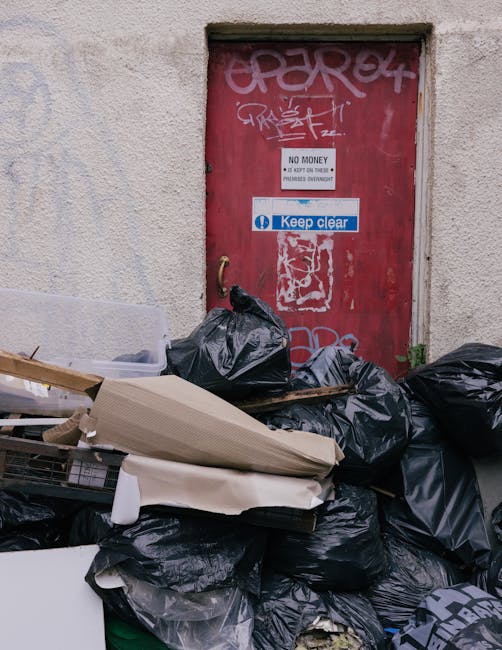
N16 rubbish clearance checklist for Stoke Newington estates
If you manage, live in, or look after an estate in N16, rubbish can build up fast. One missed collection, a bulky item left by a bin store, or a small fly-tip near a service road can turn into a bigger problem than it first looks. This N16 rubbish clearance checklist for Stoke Newington estates is designed to help you deal with waste in a calm, organised way, without overcomplicating things.
Whether you are planning a one-off clear-out, handling post-refurbishment mess, or trying to keep shared spaces tidy between regular collections, the basics stay the same: sort the waste properly, choose the right clearance method, and keep access safe for residents and workers. Sounds simple. In real life, of course, it rarely is. Estates have shared entrances, tight corners, mixed waste streams, and people who are in a hurry. This guide walks through the practical side of doing it properly.
By the end, you will know what to check before booking a clearance, how to reduce disruption, which disposal options make sense for estates, and what common mistakes to avoid. No fluff. Just the stuff that helps.
Quick takeaway: good estate rubbish clearance is not only about removing waste; it is about planning access, separating materials, protecting residents, and choosing a method that fits the site rather than forcing the site to fit the method.
Table of Contents
- Why the checklist matters
- How estate rubbish clearance works in practice
- Key benefits and practical advantages
- Who needs this and when it makes sense
- Step-by-step guidance
- Expert tips for better results
- Common mistakes to avoid
- Tools, resources and recommendations
- Law, compliance, standards and best practice
- Options, methods and comparison table
- Case study or real-world example
- Practical checklist
- Conclusion
- Frequently asked questions
Why N16 rubbish clearance checklist for Stoke Newington estates Matters
On an estate, rubbish rarely stays a private issue for long. One overflowing bin bay affects everyone nearby. Cardboard dumped beside a block can block access for maintenance teams. A mattress left in the wrong place can attract more waste within hours. If you have ever walked past a service yard on a damp morning and caught that stale mix of food waste, broken packaging, and old furniture, you already know the problem. It gets worse quickly.
That is why a proper estate checklist matters. It gives you a repeatable way to assess the job before anyone starts shifting bags or loading a vehicle. You can see what is general waste, what can be recycled, what needs specialist handling, and what might require extra access arrangements. For Stoke Newington estates in particular, shared access routes and mixed-use surroundings can make poor planning especially annoying for residents and neighbours.
The checklist also reduces guesswork. Instead of reacting at the last minute, you can decide whether the job suits rubbish removal, a skip, a more flexible method, or a combination of services. That saves time, but it also cuts down on complaints and repeat visits. To be fair, repeat visits are where a straightforward job starts to feel like a headache.
There is another reason this matters: estates often involve more than one decision-maker. Managing agents, caretakers, residents' groups, landlords, contractors, and sometimes local maintenance staff all need a shared understanding of what is being cleared and when. A checklist creates that common reference point. It keeps the job from becoming one of those vaguely discussed tasks that somehow drifts for two weeks.
How N16 rubbish clearance checklist for Stoke Newington estates Works
In simple terms, the checklist works like a pre-flight check for waste removal. Before booking, moving, or disposing of anything, you verify the site conditions and the type of waste. Then you match the clearance method to the reality on the ground. Not the other way round.
A good estate clearance process usually begins with a walk-through. That might be a formal inspection or a quick practical look at the bin stores, basement areas, service roads, gardens, and any shared corridors that could be affected. You are checking volumes, weight, lifting access, parking space, likely obstructions, and whether items are easy to sort. On busy sites, a ten-minute walk-through can save an hour later. Sometimes more.
From there, the clearance is planned around the waste stream. Mixed general rubbish, bulky furniture, green waste, builders' debris, and potentially hazardous items should not all be handled in the same casual pile. If the material is fairly mixed and scattered, a flexible collection method may suit better than placing a skip where residents still need access. If the rubbish is already bagged and tidy, a quicker pickup may do the job. For larger estate jobs, site clearance can be a better fit because it is designed for broader, more complex removal work.
Then comes timing. Estate clearances should be arranged around resident movement, delivery windows, school runs, and any parking restrictions. That is especially useful in N16, where narrow streets and busy communal zones can make a badly timed clearance awkward fast. Early mornings may help; sometimes later in the day works better. It depends on the estate. There is no one perfect slot.
Finally, after the waste is removed, a proper check is needed. Are the shared areas left clear? Has all agreed waste gone? Are there leftovers tucked behind planters, fences, or bin enclosures? Small misses are common and they are annoying in a very specific way, because they make the site look half-finished.
Key Benefits and Practical Advantages
A well-built estate rubbish clearance checklist brings practical benefits that go beyond simply making the place look tidier. The immediate gain is obvious: less mess, less smell, less visual clutter. But the less obvious benefits are often the ones people remember.
- Fewer repeat problems: if waste is sorted properly first time, there is less chance of an awkward return visit or missed item.
- Better resident experience: tidy communal areas feel safer and easier to live with, especially around bin stores and walkways.
- More efficient removal: when crews know what they are collecting and where access is easiest, the job tends to run smoothly.
- Reduced damage risk: a planned route helps protect walls, door frames, paving, lifts, and shared landscaping.
- Improved recycling: separating materials at source can increase what can be recovered rather than sent to disposal.
- Lower stress for managers: a clear process avoids last-minute arguments over who approved what and when.
There is also a reputational benefit. Estates that are kept orderly tend to feel better maintained overall. That can matter to residents, visitors, contractors, and prospective tenants. People notice. Even if they do not say it out loud, they notice.
Where the clearance includes larger mixed loads, it may also make sense to compare methods before booking. Some estate jobs are ideal for a skip; others work better with a more direct collection. If you are weighing up waste volume, access, and speed, browsing skip sizes and prices can help you think through the options without overcommitting to the wrong setup.
Who This Is For and When It Makes Sense
This checklist is useful for anyone responsible for waste on a shared residential site in N16. That includes estate managers, housing officers, caretakers, landlords, letting agents, block managers, contractors, and community groups organising a tidy-up. It also helps residents who have been told to coordinate a one-off clear-out from communal space.
It makes sense in situations like these:
- after a tenancy change or void property clearance
- following minor refurbishment or decorating work
- after bulky waste has been left in shared areas
- when bin stores are overflowing and need resetting
- after garden or external area maintenance
- during seasonal decluttering, especially before summer or winter
- when a site has recurring fly-tipping or illegal dumping problems
For larger or more complex clear-outs, you may need a combined approach. For example, a block with old furniture, builder's rubble, and loose bags might need a mix of house clearance style sorting and more general waste removal. A small courtyard with easy vehicle access might suit a quicker collection. An awkward basement or rear lane could point you towards wait and load skip hire, where timing and access are handled differently.
Truth be told, the right choice often comes down to access more than volume. A huge site with decent vehicle access may be easier than a tiny one with awkward stairs and nowhere to stop. That is life on estates, isn't it?
Step-by-Step Guidance
Use this process as a working method rather than a rigid rulebook. The goal is to get the job done safely, cleanly, and with as little disruption as possible.
1. Walk the site first
Start with a proper look around. Identify the exact waste locations, check entry points, and note anything that might slow the job down. Low arches, narrow gates, locked bin stores, steep steps, and blocked parking can all affect the plan. If something looks awkward, assume it will be awkward. Usually it is.
2. Separate the waste into clear groups
Put items into rough categories: general rubbish, recyclables, bulky items, green waste, construction debris, and any potentially hazardous material. You do not need museum-level precision, but you do need enough structure to avoid contamination. A sofa wrapped in rain-soaked cardboard is still a sofa, but the wet cardboard changes how it should be handled.
3. Decide which method fits the site
For tidy, collected waste, a direct man and van style collection can be practical. For bulkier or ongoing estate waste, a skip may be better. For awkward access or large loose piles, grab hire services can be worth considering. The job should shape the method, not the other way round.
4. Check for restricted or special waste
Not all rubbish should go in with general waste. Fridges, mattresses, paint, electrical items, confidential paperwork, and certain construction materials may need separate handling. If you are unsure, set them aside before the clearance starts. It is much easier than sorting through a mixed load later.
5. Plan access and resident communication
Tell residents or affected users what will happen, when it will happen, and which areas they should avoid. A simple notice is often enough. The aim is to keep walkways, bin stores, and car access clear while the work is taking place. If you have ever had a van turn up while someone is trying to reverse out of a parking bay, you will know why this matters.
6. Keep loading and disposal efficient
During the collection, keep items grouped by type and place them close to the loading point if safe to do so. This shortens handling time and helps avoid damage. It also reduces the odd little pile forming in the wrong place. Those are the ones that later get forgotten.
7. Inspect the site after the clearance
Do a final sweep. Check corners, behind fences, around bin enclosures, and under covered walkways. Make sure nothing sharp, loose, or unsightly has been left behind. A site can look "done" from one angle and still have half a load of debris hidden near the back. Frustrating, but common.
Expert Tips for Better Results
Over time, the difference between a smooth clearance and a messy one usually comes down to preparation. Here are a few practical things that help.
- Use a quick photo log: before and after pictures help show what was removed and whether any problem areas remain.
- Keep an eye on mixed materials: cardboard, food waste, and loose plastic can turn a neat load into a nuisance if they are all thrown together.
- Measure access before booking: widths, height restrictions, and turning space matter more than people think.
- Schedule around noise and movement: residents are more forgiving when the work does not clash with peak foot traffic.
- Ask about recycling routes: a good clearance plan should not treat everything as generic rubbish.
- Use secure options where needed: if waste includes private papers or sensitive items, extra care is sensible. Confidential shredding may be the cleaner answer than trying to manage it as ordinary waste.
One small but useful habit: always leave a little room in the plan for the unexpected. Estates have a way of surprising you with an extra mattress, an old chest freezer, or a mystery pile that appeared overnight. Not glamorous. Very real.
Another tip is to think in zones. If one end of the estate is more awkward than the other, clear the hardest area first while the team is fresh. People often do the easy bit first because it feels satisfying, but the tricky corner near the service yard may be where delays happen.
Common Mistakes to Avoid
The biggest mistake is assuming all rubbish can be cleared in the same way. It cannot. That sounds obvious, but mixed estate loads are exactly where people get caught out.
- Skipping the site check: if you do not inspect access, you risk booking the wrong method or vehicle size.
- Mixing unsuitable waste types: hazardous or specialist items should not be casually bundled with general rubbish.
- Ignoring resident access: blocking doorways, cycle stores, or parking spaces creates avoidable friction.
- Leaving waste "for later": loose leftovers are often what bring the flies, the complaints, and the second visit.
- Underestimating volume: rubbish expands when you start sorting it. That pile in the corner? It is usually bigger than it looked.
- Forgetting weather or timing: rain can make cardboard, plasterboard, and soft furnishings harder to handle, especially if collection is delayed.
There is also a quiet mistake people make all the time: they choose based on price alone. Fair enough, budgets matter. But if a cheaper option does not fit access, waste type, or timing, it can cost more in the end. Not always, but often enough to matter.
Tools, Resources and Recommendations
You do not need a huge toolkit for estate rubbish clearance, but a few practical items make life easier.
- Gloves and sturdy footwear: basic, but worth saying. Shared waste areas hide sharp edges and broken packaging.
- Dust sheets or covers: useful if items are being moved through internal routes.
- Labels or marker pens: handy for separating items into different waste groups.
- Trolleys or sack trucks: helpful for moving heavy items without turning the whole job into a back strain competition.
- Bin bags and ties: especially useful for loose general waste and smaller mixed items.
- Camera or phone photos: good for documenting before-and-after conditions.
For bigger jobs, the right service model matters as much as the physical tools. If the estate includes renovation waste, builders' waste removal or construction waste clearance may be more appropriate than a standard domestic approach. For bulky household items like old sofas or appliances, specialised options such as mattress and sofa disposal or fridge and appliance removal can save a lot of hassle.
If sustainability matters to your estate team, it is worth asking how the waste will be processed after collection. Some providers focus more heavily on recovery and recycling than others. A cleaner site is good. A cleaner route out of the waste stream is even better.
Law, Compliance, Standards, or Best Practice
Estate rubbish clearance in the UK should always be handled carefully and in line with accepted waste-duty practice. You do not need to become a legal specialist to do it properly, but you do need to understand the basics. In practical terms, that means using a responsible waste carrier, keeping waste types separated where needed, and making sure nothing is dumped or transferred to an unknown route.
For shared estates, there is also a duty of care angle. Whoever arranges the clearance should be satisfied that the waste will be handled properly from collection to final treatment. That does not mean you need every technical detail in your head. It does mean asking sensible questions and keeping records where appropriate.
Some materials need extra caution. Electrical items, fridges, certain furnishings, and anything potentially hazardous should not be treated as ordinary mixed waste. If a job includes sharp debris, contaminated material, or hidden substances, pause and reassess. Better a short delay than a mess, or worse.
There are also site safety concerns. Shared estates involve residents, children, visitors, delivery drivers, caretakers, and contractors moving through the same space. Best practice is to keep walk routes clear, place vehicles carefully, and avoid unnecessary obstruction. If the job involves heavier lifting or rough access, make sure the team can work safely rather than rushing for speed alone.
And yes, paperwork matters more than people like to admit. Collection notes, service confirmations, and basic site notes can save a lot of disagreement later. Not exciting. Very useful.
Where a clearance involves a skip, permit considerations may apply depending on placement. If you are comparing access and parking needs, skip hire permits and skip permits are worth reviewing before anything is booked into a tight street or estate roadway.
Options, Methods, or Comparison Table
Different estate clearances call for different methods. There is no single winner. The best option depends on space, urgency, waste type, and how much disruption you can tolerate.
| Method | Best for | Strengths | Watch-outs |
|---|---|---|---|
| Skip hire | Mixed bulky waste, ongoing clear-outs, larger volumes | Good capacity, simple loading, suitable for staged filling | Needs space, may require permits, less flexible on access |
| Man and van | Smaller jobs, bagged waste, quick collections | Fast, flexible, useful where space is tight | May be less efficient for heavier or very large volumes |
| Grab hire | Large loose waste, rubble, awkward piles | Good reach, useful for bigger clearances without hand-loading everything | Needs workable vehicle access and suitable site layout |
| Wait and load | Short-stay clearances, restricted parking, estate access issues | No long-term skip placement, less street clutter | Timing has to be managed carefully, more pressure to load quickly |
For many Stoke Newington estates, the decision comes down to whether the waste is already gathered neatly or still spread across the site. Loose waste in awkward corners often suits grab-style collection or a more controlled clearance. Bagged waste near a bin store may be handled more efficiently by a van-based service. If you want a lower-friction route, same-day skip hire can sometimes solve urgency, though only if access and placement make sense.
Case Study or Real-World Example
A typical example: a mid-sized estate in N16 had a build-up of old chairs, broken flat-pack packaging, a couple of mattresses, and mixed bags left beside the bin store after a series of flat refurbishments. Residents complained that the area smelled bad by late afternoon, and delivery drivers had started leaving parcels in the wrong place because the access point felt cramped.
The management team did not rush in with a single guess. They walked the site, separated the waste into bulky household items, recyclable cardboard, and general rubbish, then checked which part of the site could safely support loading. The shared pathway was kept open, the collection was scheduled around resident traffic, and the awkward mattress pile was handled separately rather than jammed in with everything else.
The difference was immediate. The space looked clearer, the bin store became easier to use again, and there was no repeat mess left behind in the corners. The most useful part? The team avoided the common trap of trying to do too much in one quick, casual sweep. A little planning saved a lot of frustration. Simple, really, but easy to miss when everyone wants the problem gone yesterday.
Practical Checklist
Use this checklist before and during an estate rubbish clearance in N16. It is meant to be practical, not fussy.
- Confirm the exact area to be cleared.
- Walk the site and note access issues, parking, gates, stairs, and low ceilings.
- Identify the main waste types and separate anything special or hazardous.
- Estimate whether the volume is small, moderate, or large.
- Decide whether the job suits skip hire, van collection, grab hire, or wait and load.
- Check whether the clearance will affect residents, deliveries, or emergency access.
- Arrange communication with residents or building users if needed.
- Keep items grouped by category before collection.
- Protect floors, walls, and shared surfaces where items will be moved through internal routes.
- Make sure the loading point is clear and safe.
- After collection, inspect corners, bin stores, and behind barriers for leftovers.
- Take after photos if the site needs a record of completion.
Practical tip: if the checklist reveals more waste than expected, pause and reassess before the van arrives. A rushed adjustment can lead to a half-finished job, and that is never the happy path.
Conclusion
A good N16 rubbish clearance checklist for Stoke Newington estates is not about making the process complicated. It is about making it predictable. When you know what needs clearing, how much access you have, what type of waste you are dealing with, and how the job will affect residents, the whole thing becomes much easier to manage.
That is the real value here: fewer surprises, cleaner shared spaces, safer movement around the estate, and a better result for everyone involved. Whether you are dealing with a one-off bulky waste problem or a larger mixed clearance, the checklist helps you stay organised and avoid the usual last-minute scramble.
If you are comparing disposal options for an estate in N16, it is worth taking a moment to look at the site properly, think through the waste mix, and choose the method that fits the job rather than forcing a quick fix. A bit of care at the start tends to pay off at the end. It usually does.
Get a free quote today and see how much you can save.
Frequently Asked Questions
What is included in a rubbish clearance checklist for Stoke Newington estates?
It usually includes a site walk-through, waste sorting, access checks, resident communication, method selection, and a final inspection. The goal is to make the clearance safe, efficient, and complete.
Do estates in N16 need a skip for every clearance?
No. Some clearances suit a skip, but others are better handled with a van collection, grab hire, or wait and load. The best option depends on volume, access, and how quickly the waste needs to go.
How do I know whether the waste is suitable for general clearance?
If the waste is mixed but ordinary household or site rubbish, it may be suitable. If it includes fridges, confidential paperwork, sharp debris, or suspected hazardous items, separate handling is a safer choice.
What is the biggest mistake people make on estate clearances?
Usually it is not checking access and waste type properly before booking. That is how people end up with the wrong vehicle, the wrong timing, or a clearance that needs doing twice.
Can bulky items like mattresses and sofas be included?
Yes, but they are often better handled through a specialist bulky waste service. They take up space fast and can complicate mixed loads if not planned properly.
How far in advance should an estate clearance be arranged?
For planned jobs, a few days to a week is often sensible. For urgent problems, same-day or next-day options may work if access and availability line up. It is worth checking early rather than waiting for the problem to grow legs.
What if the estate has tight access or limited parking?
That usually points towards more flexible methods such as wait and load or a man-and-van style collection. In very tight spaces, access planning matters more than the size of the waste pile.
Is it worth separating recyclable materials first?
Yes, whenever practical. Keeping cardboard, metal, and other recyclables apart can help reduce contamination and may support a cleaner disposal route.
How do I keep residents from being disrupted?
Use clear notices, choose sensible timing, keep routes open, and avoid blocking entrances or parking spaces. Even a small amount of advance communication can make the day go much more smoothly.
What should I do if I find questionable or hazardous waste?
Stop and isolate it from the rest of the load. Do not mix it with ordinary rubbish. If needed, use a service that can handle restricted or hazardous material properly.
Are there compliance issues to think about on shared estates?
Yes. Duty of care, safe handling, proper disposal routes, and site safety all matter. You do not need to be an expert, but you do need to use responsible clearance practices and keep basic records where useful.
What is the simplest way to choose between skip hire and rubbish removal?
Ask two questions: do you have space for a skip, and is the waste easy to pile or bag? If the answer is yes to both, a skip may suit. If access is tight or the waste needs quick lifting, rubbish removal or grab hire may be the better fit.